A Case Study on Digital Intervention Referrals
In the complex world of the justice system, the right intervention at the right time can change a life. However, for many Probation Practitioners (PPs), the path to making those life-changing referrals is often buried under a mountain of manual data entry and fragmented systems.
A recent Interventions Proof of Concept by Justice Digital explores how to modernize these workflows to better support both staff and the people they serve.
The Vision: Data-Driven, User-Led
The project team, led by Steven Sampson-Jones , set out with a clear mission: assess the feasibility of in-housing the Effective Proposal Framework (EPF) and automating intervention referrals.
The goal was simple: Could they create "one-click" referrals for rehabilitative interventions?
Key Findings: The Human Element
Through extensive user research involving Probation Officers and Service Designers, the team uncovered critical insights into how decisions are actually made:
The "Gut Feeling": PPs build immense contextual knowledge through face-to-face conversations and experience. They often form ideas about interventions early on, using digital tools as a final "sense check".
System Fatigue: Practitioners currently navigate a "conveyor belt" of reports, often switching between multiple separate systems to complete a single referral.
The Problem with Full Automation: Interestingly, the research concluded that fully automated referrals are not feasible or desirable. PPs want control to redact sensitive risk information and ensure data accuracy.
““I wouldn’t want it to be completely automatic... there might be information in there that’s not appropriate.””
The Solution: The "Universal Referrer"
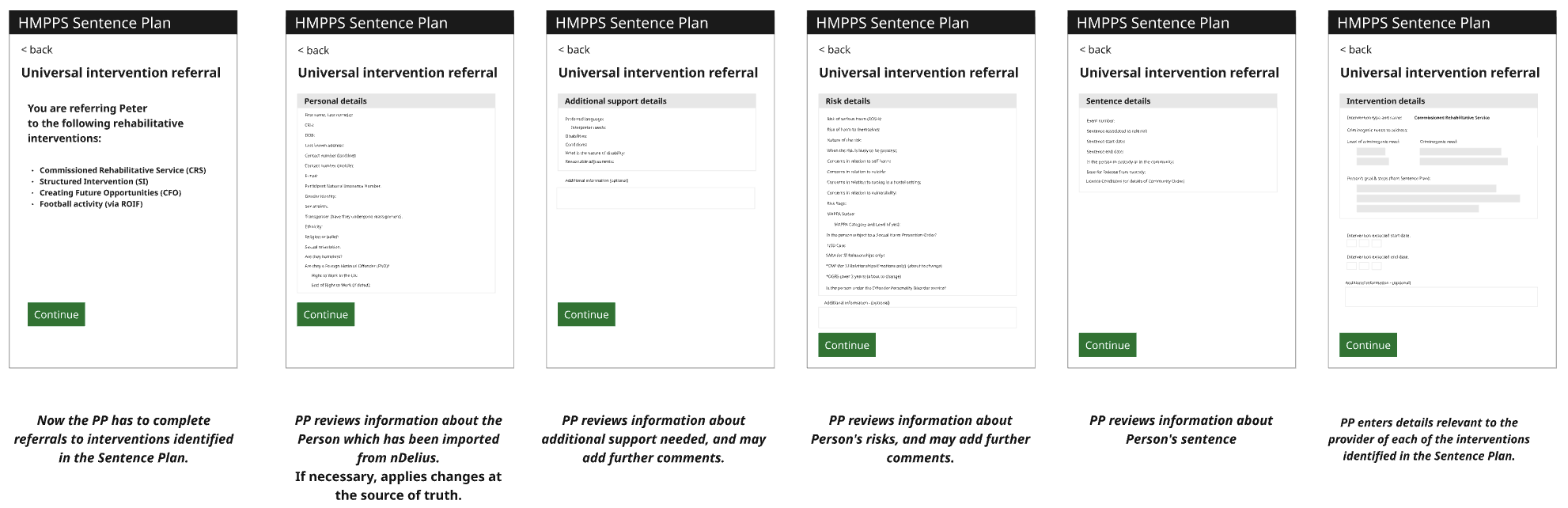
While "one-click" automation was off the table, a more valuable alternative emerged: the Universal Referrer. This proposed digital channel would:
Unify Referrals: Consolidate different intervention types (like CRS, SI, and CFO) into a single digital space.
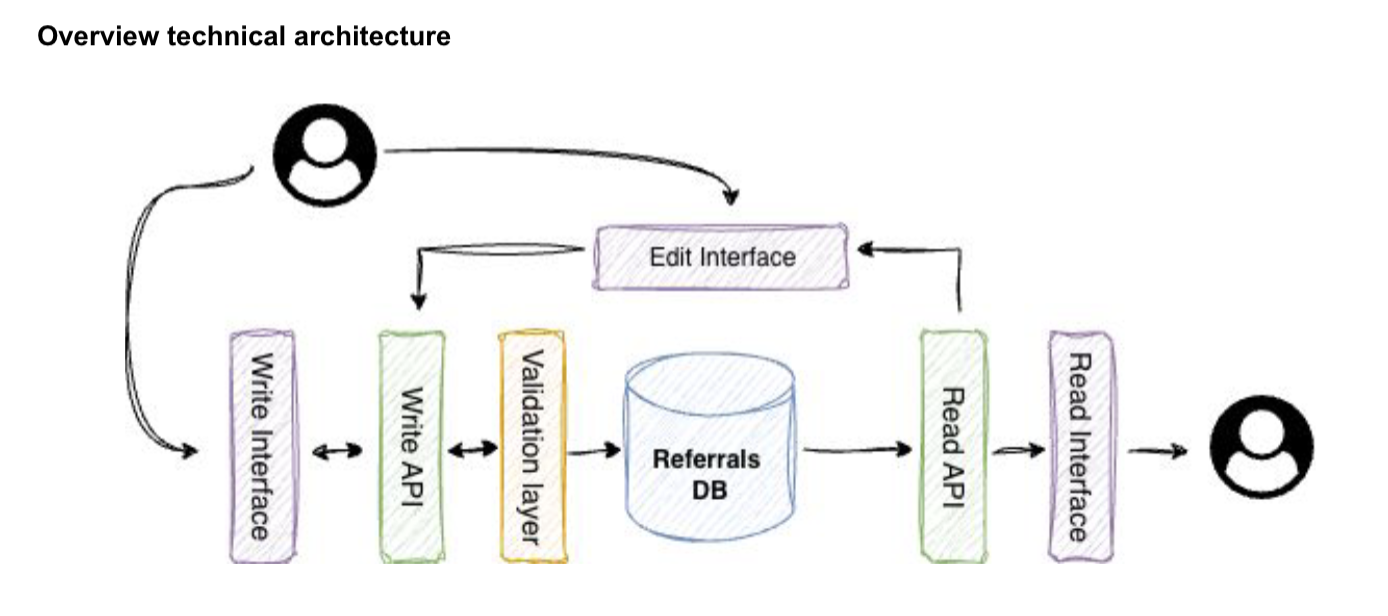
Auto-Populate Data: Use existing information from systems like nDelius and OASys to fill out forms, reducing human error and saving time.
Maintain Practitioner Control: Allow PPs to review and edit information before final submission.
Quantified Benefits: Reclaiming Time
The impact of these changes is significant. By integrating EPF1 eligibility checks directly into the Pre-Sentence Report (PSR) tool, the central scenario predicts an annual saving of over 76,000 hours for the Probation Service.
When looking at the broader implementation of universal referrals, the model suggests releasing the capacity of approximately 59 Full-Time Equivalents (FTEs) annually.
Moving Forward
We’re moving into an Alpha phase to prototype these designs. Future focus areas include building a comprehensive "Catalogue of Interventions" to help PPs easily compare available options and eligibility criteria.
By stripping away the administrative burden of "rekeying" data , Justice Digital is paving the way for a more flexible organisation where practitioners can spend less time on paperwork and more time supporting rehabilitation.